

Note : This article is the first in a series exploring how technology, global mobility, and new power dynamics are set to disrupt nation-states, redefine the global economy, and reinvent governance in the 21st century. Here are the first articles in the series :
Trying to predict the future is a perilous exercise.

Still, doing so is a way of “putting skin in the game”: taking the risk of committing yourself and getting your predictions wrong, in order to show that everything we study in this book is relevant.
The closer a model is to reality, the more predictive value it tends to have. The further it strays from reality, the more the future will prove it wrong.
So I am going to take that risk and sketch the broad trends, relying on the eleven historical principles we studied these articles and on the developments we have examined.
10 Principles of History for predicting the future (1/2)

"What did you learn from studying history? Have you learned more about human nature than the man in the street can learn without so much as opening a book?"
The article where I explain the 11th principle :
How the Internet makes Governments Impotent to Tackle Bottlenecks

Note : this article is the 3rd in a series on the disruption of nation-states by the Internet.
There is no doubt that I will be wrong here and there, but I am betting that I will be right on the essentials. Time will tell.
Here is a reminder of the eleven principles we looked at the beginning:
1st principle to remember from History: the power of states rests on the immobility of their subjects. And when a population tends to slip away from them, thereby shrinking their tax base and labor force, many governments are tempted to restore control by tying that population to their territory by various means, including the most extreme ones. Those means always reduce the freedom of their subjects.
2nd principle: a cheap, hard-to-censor communication technology is deeply disruptive for the powers that be. It has already proved capable of completely upending an institution that had stood for over 1,000 years and had such a grip on society that it seemed unshakeable.
3rd principle: when a cheap, hard-to-censor communication technology develops, the authorities in place try to control it and establish mechanisms to tell the “true believers” what is true and what is not. Hence the Church’s attempts to control the use of the printing press and books listed on the Index.
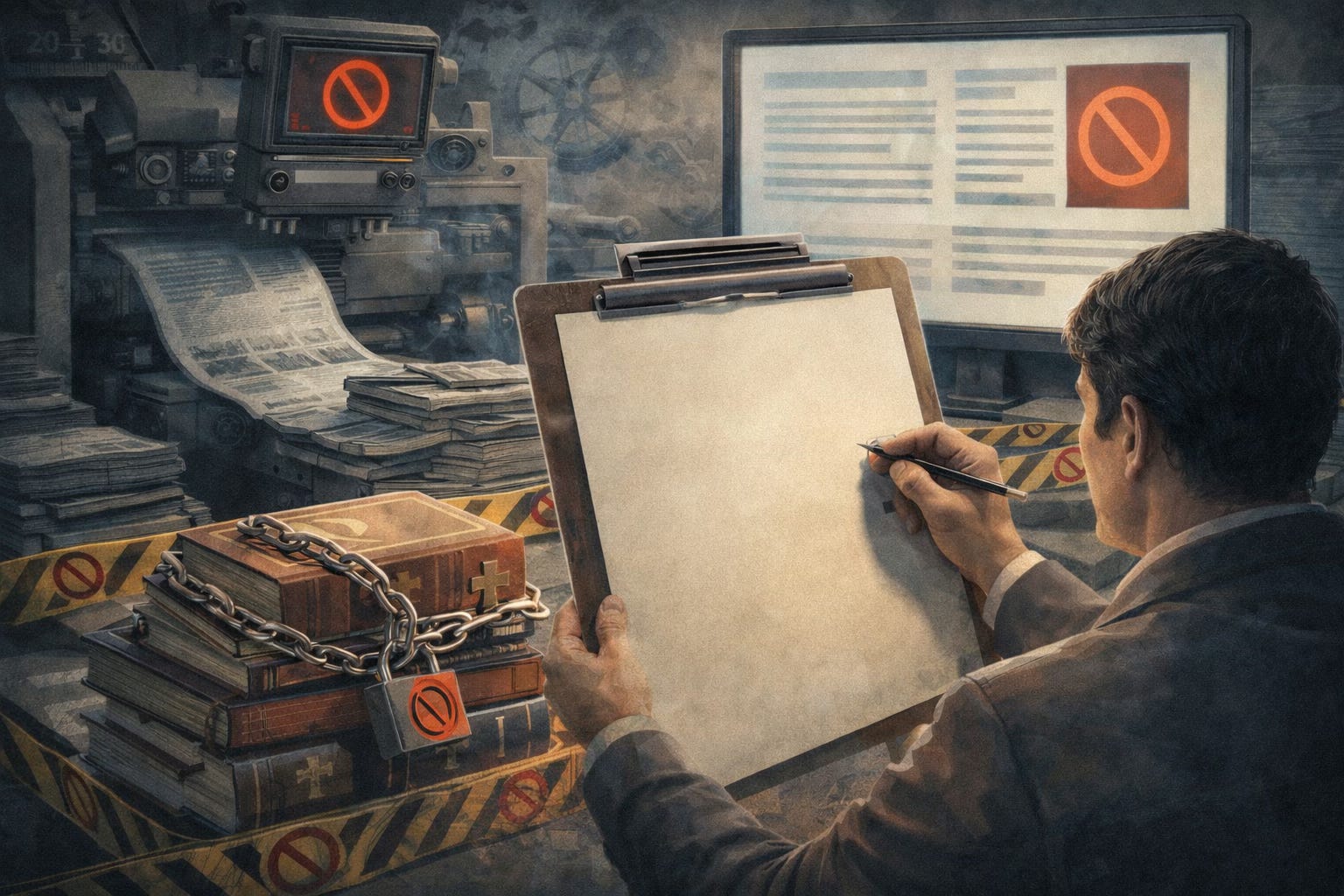
4th principle: States that win temporarily by managing to ban or smother a technology lose in the long run, because they do not enjoy the fruits of that technology. Centuries later, the consequences of the delay they accumulated are still visible.
5th principle: a reversal in the balance of power between offensive and defensive technologies is highly disruptive for those in power.
6th principle: people’s obedience and their motivation to follow someone’s instructions come directly from the beliefs they hold in their minds.
If they believe in a story that says you are legitimate, they listen to you (Catholics in the Middle Ages, who fought against “heretics” and took part in crusades).
If outside conditions make them doubt that story, they listen to you less and question you more (Catholics after the wars of religion in Europe).
If those conditions lead them to believe in another story, they no longer listen to you and may even fight you directly (Protestants after the spread of Luther’s 95 Theses).
7th principle: cheap, hard-to-censor communication technologies are extremely powerful tools for changing the stories people believe in.
8th principle: when contradictory narratives battle to exist in people’s minds, wars are sometimes needed to decide which one will prevail.
In History, the only solution that has truly worked to avoid bloodshed when a new narrative wants to exist and replace the old one is to grant the first one the right to coexist with the second (in matters of worship, that means freedom to practice one’s religion; in politics and other domains, freedom of expression, meaning the right to try to replace existing narratives with new ones through argument).
And even without war, there are always battles of the mind, with pamphlets, debates, marketing operations, and propaganda.
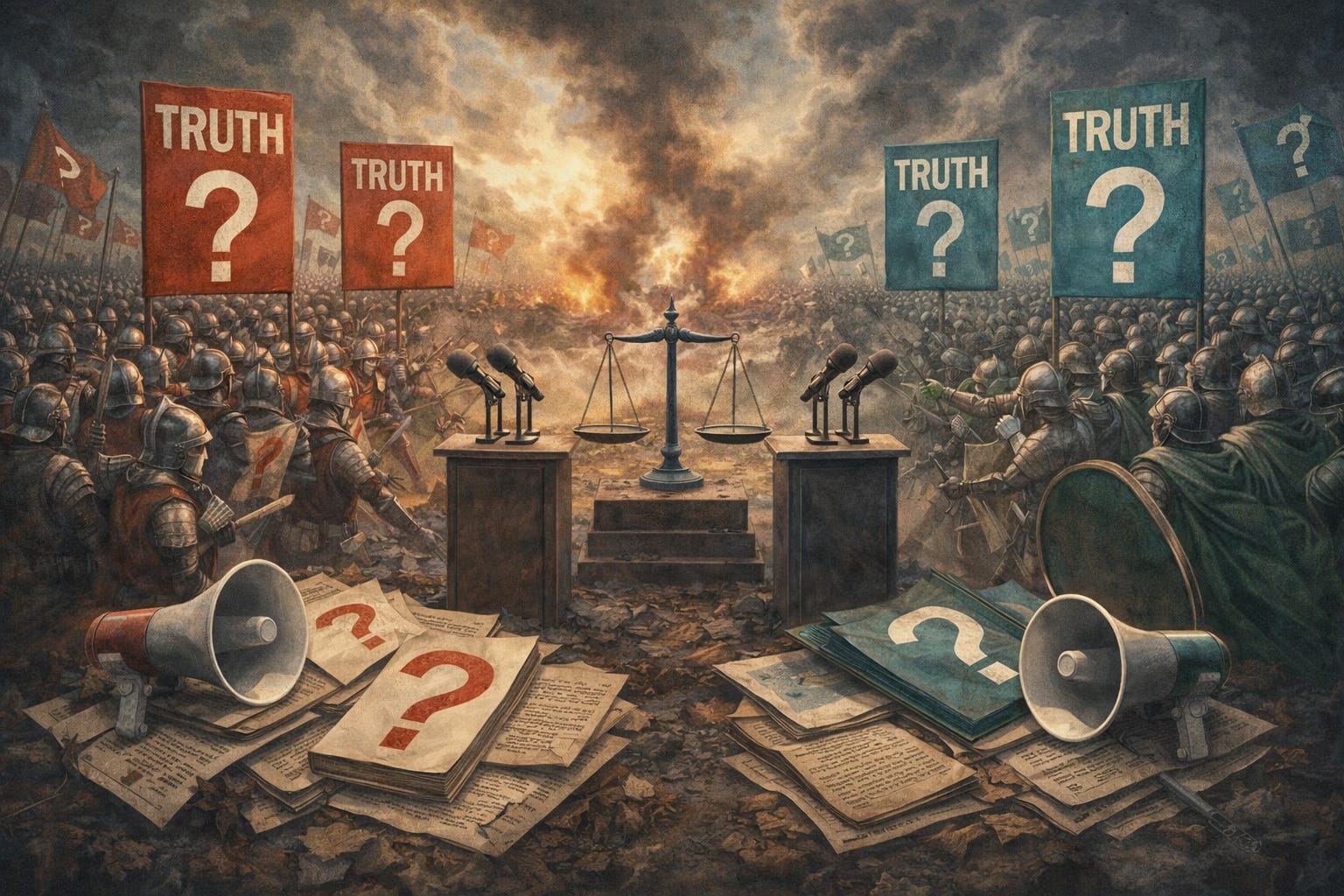
9th principle: when a power structure is disrupted, it does not surrender without a fight, even if the outcome depends on external conditions it cannot control.
10th principle: new factors, especially technological ones, can disrupt current institutions, even those that seem immortal or irreplaceable to us, and replace them with new ones. Thus, the modern nation-state could not have been born without the printing press, which disrupted the institutions that came before it - a fact most people ignore. Likewise, the Internet is nothing less than a printing press on steroids, and it is already shaking the foundations of nation-states, as we have seen throughout this book.
11th principle: governments target bottlenecks first (places people must pass through, leaders), and they are helpless against millions of people cooperating with one another in a decentralized way.
Coming soon
In the next article we will use these principles to explore how the rise of a mobile, high-value population is pushing nation-states into a paradox: clamp down harder… or treat your residents more like customers instead of taxpayers.
Stay tuned! In the meantime, feel free to follow Disruptive Horizons on X/Twitter, and join the tribe of Intelligent Rebels by subscribing to the newsletter:

